

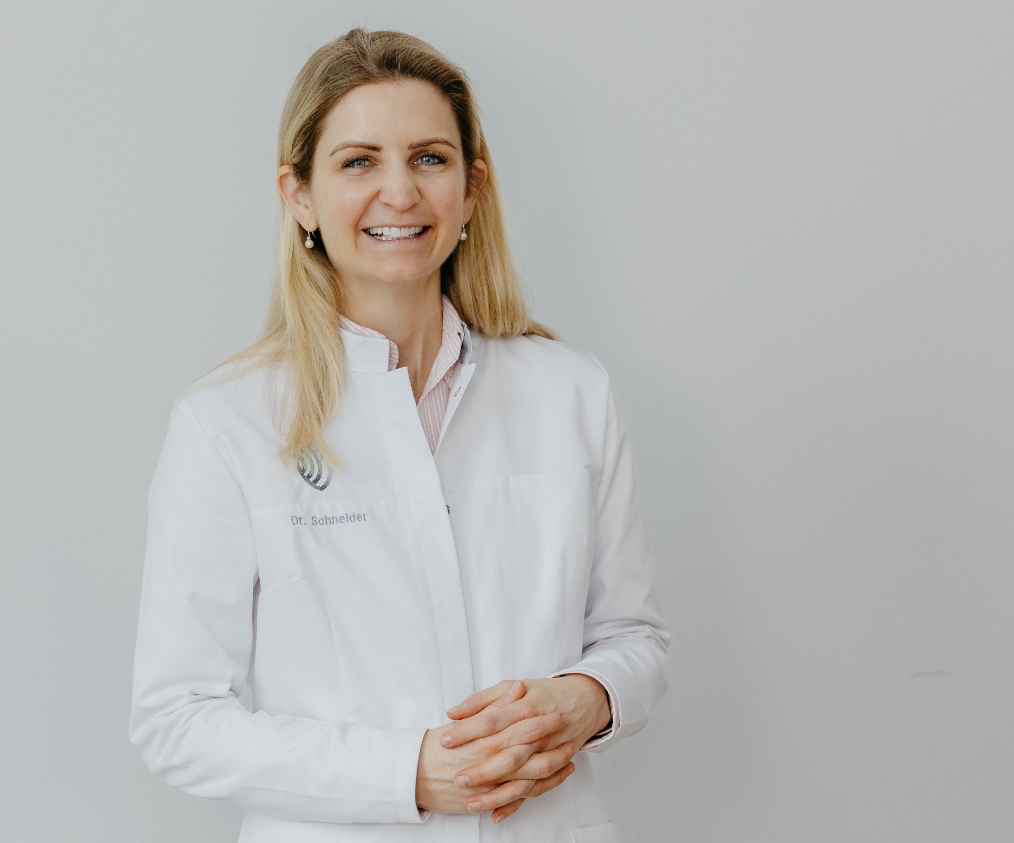
Mein Ziel ist, dass Sie sich medizinisch bestens betreut und persönlich gut aufgehoben fühlen - mit einem freundlichen Team, einer angenehmen Praxisatmosphäre und dem Gefühl, dass Ihr Anliegen ernst genommen wird.


More than 4 million people in Germany currently live with heart failure or heart valve disease.
Importantly, symptoms are often mild or non-specific for years before exercise capacity is clearly affected. An early, structured assessment shows whether and how treatment is needed now – or whether monitoring is enough for the time being.
An appointment is particularly advisable if one or more of the following apply:
Even with known heart failure or heart valve disease, regular cardiological reviews are worthwhile to fine-tune treatment and monitor progress.
Heart valves direct the flow of blood through the heart. Leaking or narrowed valves put extra strain on the heart muscle and can cause heart failure in the long term.
Common heart valve conditions include:
A precise assessment allows us to evaluate exactly how well your heart valves are working and decide whether any treatment is needed – and if so, which.
We carefully investigate the underlying causes. The most common causes are:
Knowing the cause allows targeted treatment – and can often stabilise the condition.
With modern echocardiography, we assess:
Strain analysis on our modern ultrasound systems also reveals subtle changes in function early – often long before symptoms appear.
This is particularly valuable in:
We are here for you
Mein Ziel ist, dass Sie sich medizinisch bestens betreut und persönlich gut aufgehoben fühlen - mit einem freundlichen Team, einer angenehmen Praxisatmosphäre und dem Gefühl, dass Ihr Anliegen ernst genommen wird.
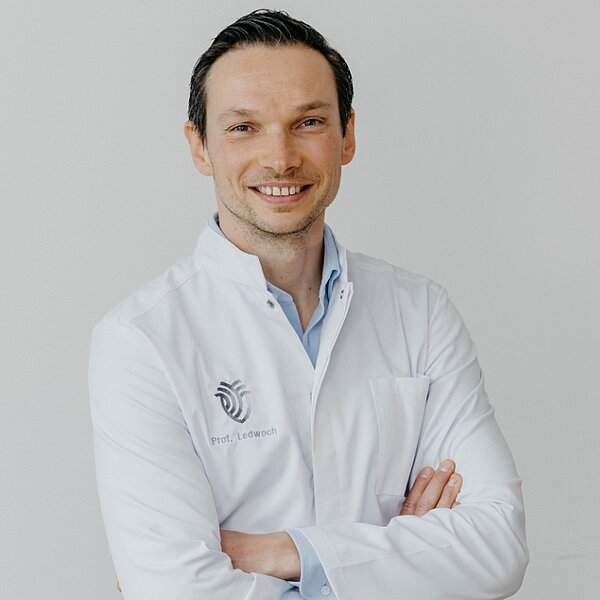
Moderne Medizin bedeutet für mich nicht nur, technisch auf dem neuesten Stand zu sein. Dazu gehört auch, mir Zeit zu nehmen, zuzuhören, alles verständlich zu erklären und gemeinsam die richtigen Entscheidungen für Ihre Gesundheit zu treffen.
Recognised certifications and partnerships with leading medical institutions reflect our commitment to the highest standards.




In the past, the focus was on relieving symptoms. Today, we have treatments that extend life expectancy and markedly improve everyday fitness.
In heart failure and heart valve disease, the heart is subject to pressure and volume overload. A tailored diet can reduce this strain.
The focus is on:
Medication plays a central role in heart failure and can help in certain types of valve disease.
Modern heart failure medications have been shown to extend life expectancy and improve quality of life.
Medication should be reviewed and adjusted regularly – especially if heart or valve function changes. This is where ongoing cardiological care really pays off.
In heart failure and valve disease, exercise is not a risk but part of the treatment – provided it is properly guided.
The right amount of physical activity can noticeably improve fitness and prognosis in heart failure and valve disease.
In our practice, we determine individually:
This helps many patients return to an active everyday life.
We assess whether a minimally invasive procedure is right for your valve condition.
The procedures include:
The key question is not whether a procedure is possible, but when it is medically advisable. If a heart valve procedure is necessary, we support you comprehensively – from individual advice to close coordination with our specialised partner clinics.
Heart failure often develops gradually. Typical early signs are reduced exercise capacity, shortness of breath on exertion, fatigue or fluid retention in the legs and feet. The earlier the cause is identified, the more the course can be influenced.
Yes – especially in the early stages or with certain forms of heart failure, symptoms can be mild or vague. Modern diagnostics can detect changes in heart function early, before they cause significant limitations.
Not every valve change needs immediate treatment. What matters is its severity, its effect on heart function and your exercise capacity. A structured cardiological assessment helps to decide reliably whether monitoring is sufficient or treatment is needed.
Yes. Valve disease often causes few or no symptoms for years – but left untreated, it can strain the heart. Regular check-ups ensure that the optimal time for treatment is not missed.
Treatment depends on the cause, severity and your individual situation, ranging from medication and lifestyle changes to catheter-based or surgical procedures. The aim is always to improve heart function, quality of life and prognosis in the long term.
An assessment is advisable if you have breathlessness, declining fitness, chest discomfort, palpitations, a known heart murmur or abnormal previous findings. It can also provide valuable reassurance if heart disease runs in your family, or as part of preventive care.
 Termin online buchenHier klicken zum Öffnen
Anrufen089 2000 51470