

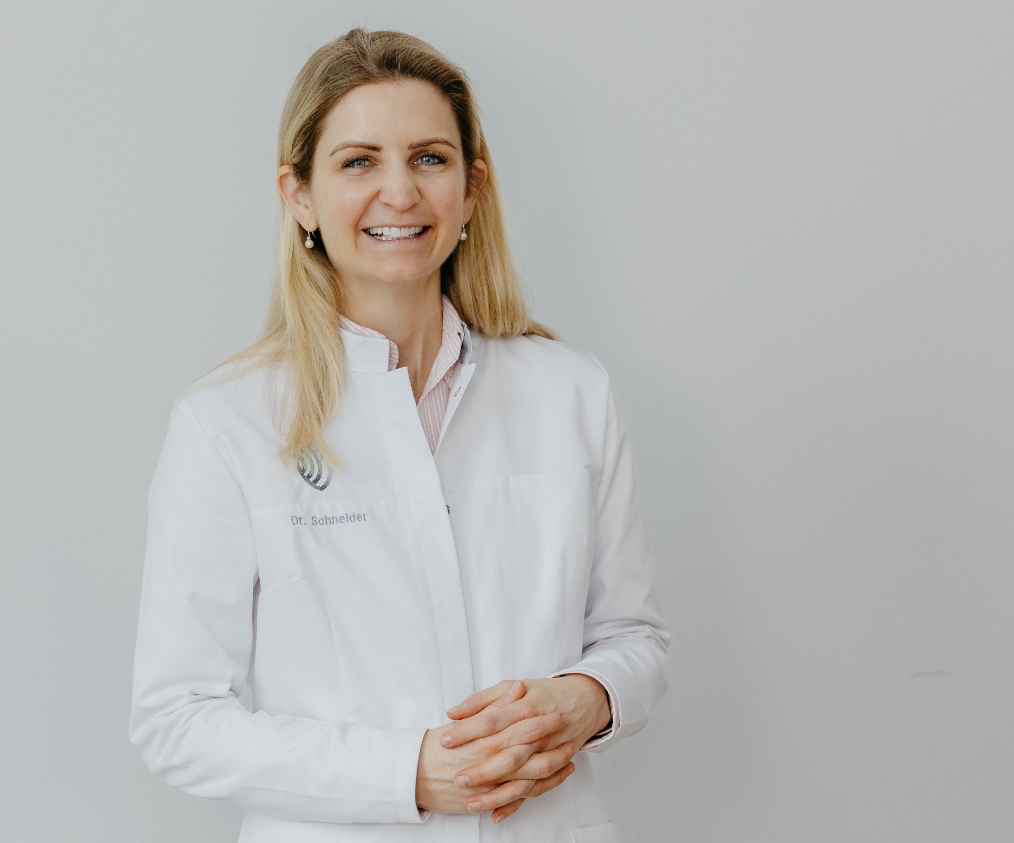
Mein Ziel ist, dass Sie sich medizinisch bestens betreut und persönlich gut aufgehoben fühlen - mit einem freundlichen Team, einer angenehmen Praxisatmosphäre und dem Gefühl, dass Ihr Anliegen ernst genommen wird.


At the Cardiology Centre Munich-Pasing, we combine established cardiovascular prevention with modern longevity medicine.
For us, prevention means recognising risk factors early – long before symptoms appear.
Longevity medicine goes one step further: we analyse metabolism, blood vessels and inflammation – and influence them in a targeted, positive way.
Our goal: to maintain heart health, slow down biological ageing and improve quality of life.
We focus on two key areas:
Countless longevity trends are promoted online and in the media. We make a clear distinction between fads and medically sound approaches.
Book an appointment for longevity & prevention in Munich now
An appointment is particularly useful if you:
Many of our patients feel healthy – and are surprised how much prevention can still achieve.
Book an appointment for longevity & prevention in Munich now
We decide individually which tests make sense – a structured heart check-up is often the starting point.
Depending on your situation, this may include:
Extended laboratory tests
lipoprotein(a), ApoB, cholesterol, homocysteine, hsCRP, ferritin, uric acid, insulin, HbA1c, omega-3 index, micronutrients, hormone status etc.
Vascular diagnostics and imaging
vascular ultrasound to assess atherosclerosis, heart ultrasound, cardiac CT with coronary calcium score
Stress tests
heart ultrasound during physical exercise to assess cardiac function under stress, optionally with a lactate test to measure aerobic capacity and guide training
Sleep analysis
especially to assess possible sleep apnoea. This is a common and often overlooked risk factor for your cardiovascular health.
Body composition (InBody system)
This helps us respond to specific patterns – such as a high proportion of abdominal fat, which promotes many chronic diseases.
Book an appointment for longevity & prevention in Munich now
We are here for you
Mein Ziel ist, dass Sie sich medizinisch bestens betreut und persönlich gut aufgehoben fühlen - mit einem freundlichen Team, einer angenehmen Praxisatmosphäre und dem Gefühl, dass Ihr Anliegen ernst genommen wird.
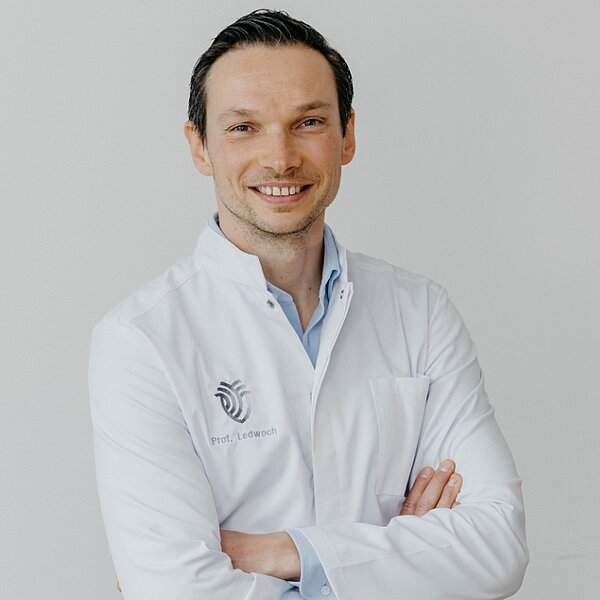
Moderne Medizin bedeutet für mich nicht nur, technisch auf dem neuesten Stand zu sein. Dazu gehört auch, mir Zeit zu nehmen, zuzuhören, alles verständlich zu erklären und gemeinsam die richtigen Entscheidungen für Ihre Gesundheit zu treffen.
Recognised certifications and partnerships with leading medical institutions reflect our commitment to the highest standards.




Nutrition is one of the most effective levers for regulating metabolism, inflammation and biological ageing.
In our longevity programme, nutrition is a long-term metabolic strategy – not a short-term diet.
The focus is on:
Sleep is fundamental to recovery, hormonal balance and metabolic health.
In longevity medicine, the focus is therefore not only on how long you sleep, but above all on good sleep hygiene.
We take into account:
Good sleep hygiene helps to reduce insulin resistance, inflammation and cognitive decline.
In selected cases, medication can be part of a longevity strategy.
This always requires a clear medical indication and an individual risk-benefit assessment.
Where appropriate, options include:
Medication does not replace lifestyle measures, but can complement them in clearly defined situations.
Fitness is one of the strongest predictors of life expectancy and healthy ageing.
What matters, however, is not the amount but a targeted, individually guided training plan.
Our approach includes:
Training is adapted to your age, fitness level, any existing conditions and your capacity to recover.
Chronic low-grade inflammation is considered one of the main biological drivers of ageing.
It promotes atherosclerosis, insulin resistance, neurodegeneration and frailty – often long before clinical signs appear.
In our longevity programme, we identify:
The aim is to detect inflammation early and limit its long-term effects on blood vessels, organs and performance.
Related news
Services are billed according to the German medical fee schedule (GOÄ) and are usually reimbursed by private health insurers. Self-paying patients receive a transparent GOÄ invoice. We are happy to give you a detailed cost overview at the practice.
From the age of 35 – especially if heart disease runs in your family or you want to take a proactive approach to your health.
Conventional prevention looks for existing disease. Longevity medicine aims to identify risk mechanisms before they become clinically relevant – and to actively extend your health span.
We recommend a basic check-up every 12 months – or every six months if your risk profile is abnormal or you are on treatment (e.g. lipid-lowering therapy).
Follow-up tests measure progress in fitness, blood values and vascular health precisely – so your lifestyle can be fine-tuned.
We show you in detail which of these measures you can put into practice to improve your chances of a longer, healthier life.
Based on current evidence, there are not yet convincing data in humans for so-called longevity NAD infusions. We therefore do not currently offer this therapy. As soon as new evidence emerges, we will of course adapt our programmes.
 Termin online buchenHier klicken zum Öffnen
Anrufen089 2000 51470