
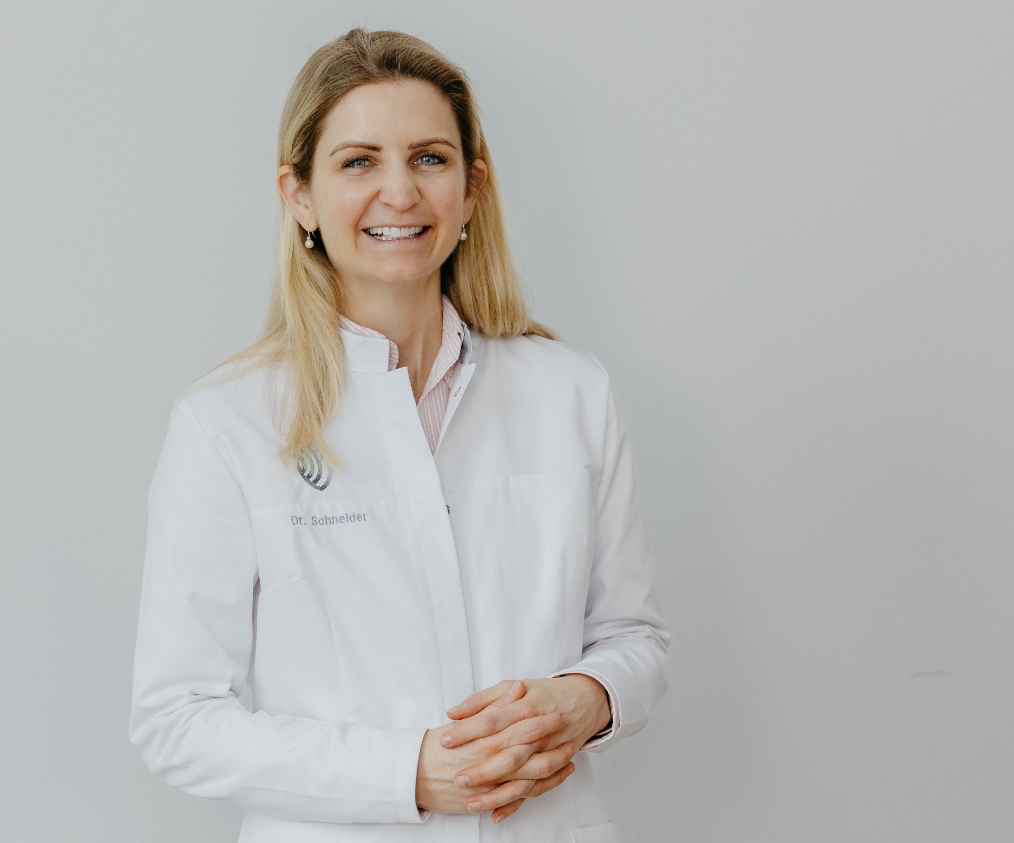
Mein Ziel ist, dass Sie sich medizinisch bestens betreut und persönlich gut aufgehoben fühlen - mit einem freundlichen Team, einer angenehmen Praxisatmosphäre und dem Gefühl, dass Ihr Anliegen ernst genommen wird.

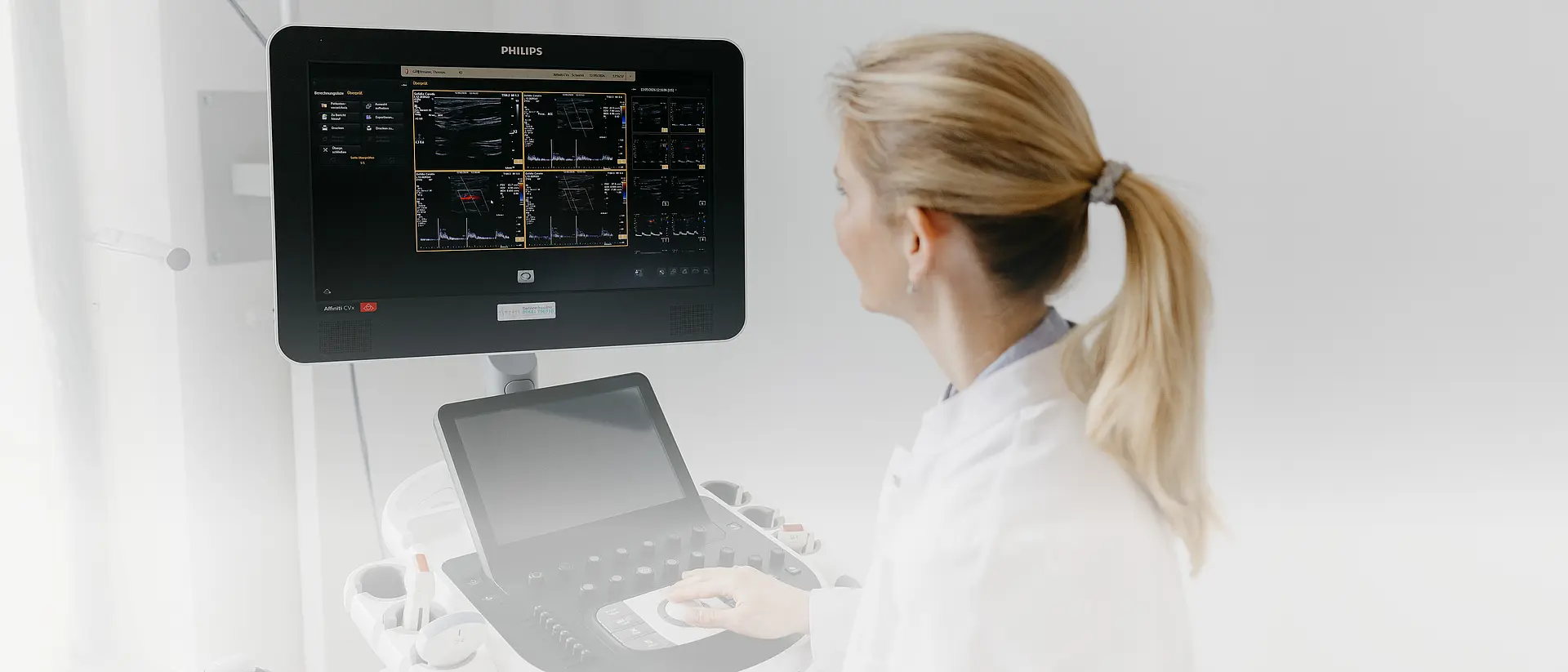
At the Cardiology Centre Munich-Pasing, we use state-of-the-art ultrasound technology to assess the blood vessels, detect risks early and take targeted preventive action. Heart attacks and strokes rarely come out of the blue – they are usually preceded by years of gradual changes in the blood vessels.
If such changes are detected, even small measures can often reduce the risk significantly.
The scan allows us to assess:
Changes in the carotid arteries can also indicate how healthy the entire vascular system is. Carotid diagnostics are therefore not only relevant for stroke prevention – they can also provide important information for cardiovascular prevention.
The good news: if early changes are detected, cardiovascular risk can usually be reduced with simple measures such as lifestyle changes or modern, well-tolerated medication. In some cases, the deposits can even be reversed.
We are here for you
Mein Ziel ist, dass Sie sich medizinisch bestens betreut und persönlich gut aufgehoben fühlen - mit einem freundlichen Team, einer angenehmen Praxisatmosphäre und dem Gefühl, dass Ihr Anliegen ernst genommen wird.
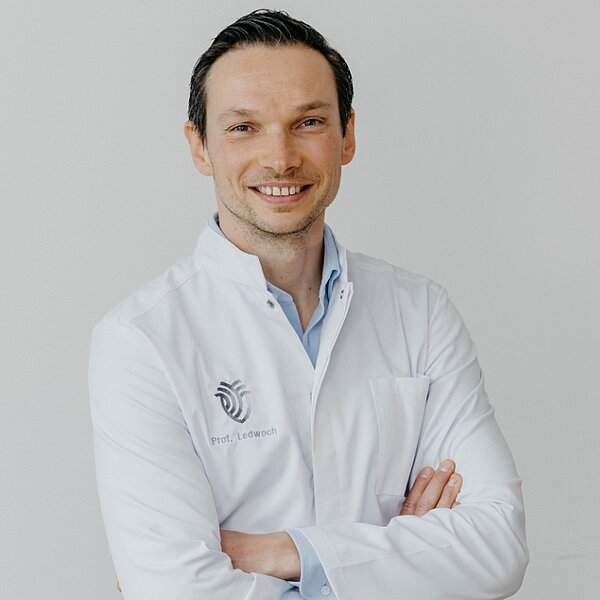
Moderne Medizin bedeutet für mich nicht nur, technisch auf dem neuesten Stand zu sein. Dazu gehört auch, mir Zeit zu nehmen, zuzuhören, alles verständlich zu erklären und gemeinsam die richtigen Entscheidungen für Ihre Gesundheit zu treffen.
Recognised certifications and partnerships with leading medical institutions reflect our commitment to the highest standards.




Related news
Many cardiovascular diseases develop unnoticed over years. Carotid ultrasound can reveal existing arterial calcification, allowing lifestyle changes or preventive medication to be tailored more precisely – an important step towards reducing long-term risk.
A carotid ultrasound can be particularly useful in people with elevated cholesterol, high blood pressure, diabetes, smoking, a family history or known cardiovascular disease. It also provides valuable information as part of an extended preventive check-up.
Yes. Thanks to the modern ultrasound equipment in our practice, we can detect early vascular changes or plaques very precisely.
No, that is not necessary.
Usually only about 10 minutes.
 Termin online buchenHier klicken zum Öffnen
Anrufen089 2000 51470