
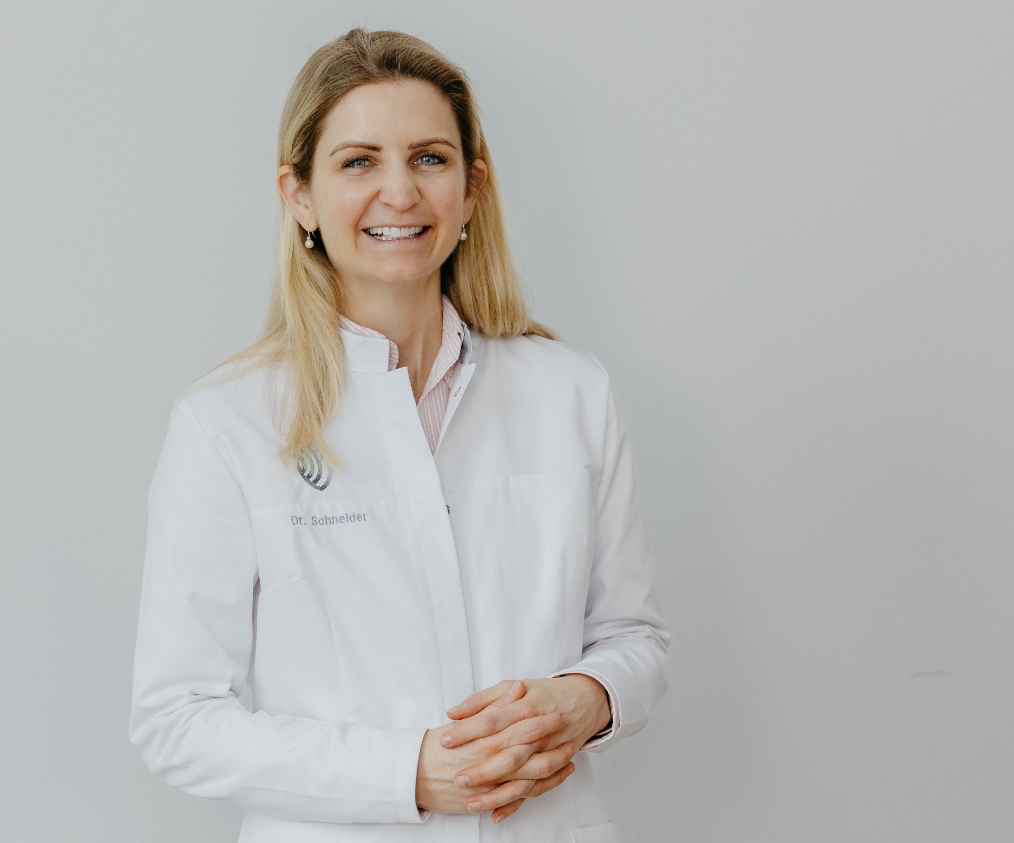
Mein Ziel ist, dass Sie sich medizinisch bestens betreut und persönlich gut aufgehoben fühlen - mit einem freundlichen Team, einer angenehmen Praxisatmosphäre und dem Gefühl, dass Ihr Anliegen ernst genommen wird.


About half of all heart attacks occur without any prior symptoms.
The body can compensate for narrowed arteries for a long time. That is why an assessment makes sense even in the absence of classic symptoms.
Even in advanced CAD, targeted adjustments to your treatment can help prevent further cardiovascular events. The key question is not whether you are being treated – but whether your treatment is lowering your actual risk enough.
An appointment is particularly useful if at least one of the following applies:
The earlier we identify your risks, the more often invasive procedures and acute events can be avoided. If in doubt, that alone is a good reason for an assessment.
A fresh cardiological assessment is worthwhile, because coronary artery disease is progressive and can remain active despite treatment.
We check whether:
A CAD assessment does not replace treatment – it shows whether your treatment is the right one.
We are here for you
Mein Ziel ist, dass Sie sich medizinisch bestens betreut und persönlich gut aufgehoben fühlen - mit einem freundlichen Team, einer angenehmen Praxisatmosphäre und dem Gefühl, dass Ihr Anliegen ernst genommen wird.
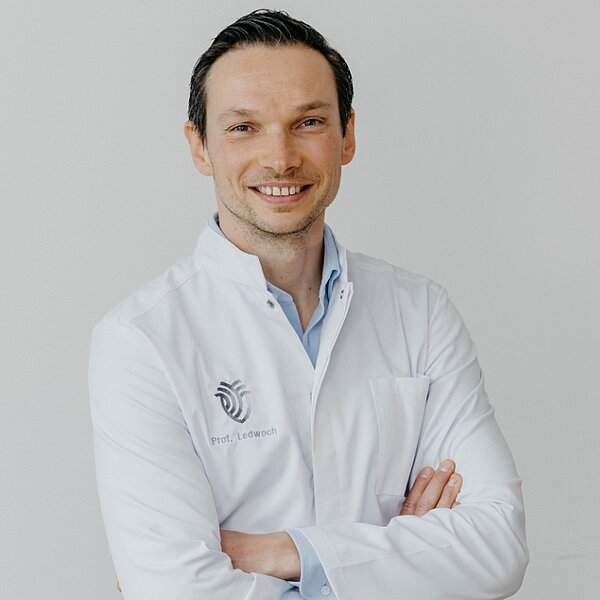
Moderne Medizin bedeutet für mich nicht nur, technisch auf dem neuesten Stand zu sein. Dazu gehört auch, mir Zeit zu nehmen, zuzuhören, alles verständlich zu erklären und gemeinsam die richtigen Entscheidungen für Ihre Gesundheit zu treffen.
Recognised certifications and partnerships with leading medical institutions reflect our commitment to the highest standards.




Our diagnostics lead to a clear medical answer: how high is your risk – and which treatment will protect you in the long term?
Blood values reveal risks long before symptoms appear.
We analyse, among other things:
This reveals hidden risk profiles long before symptoms appear.
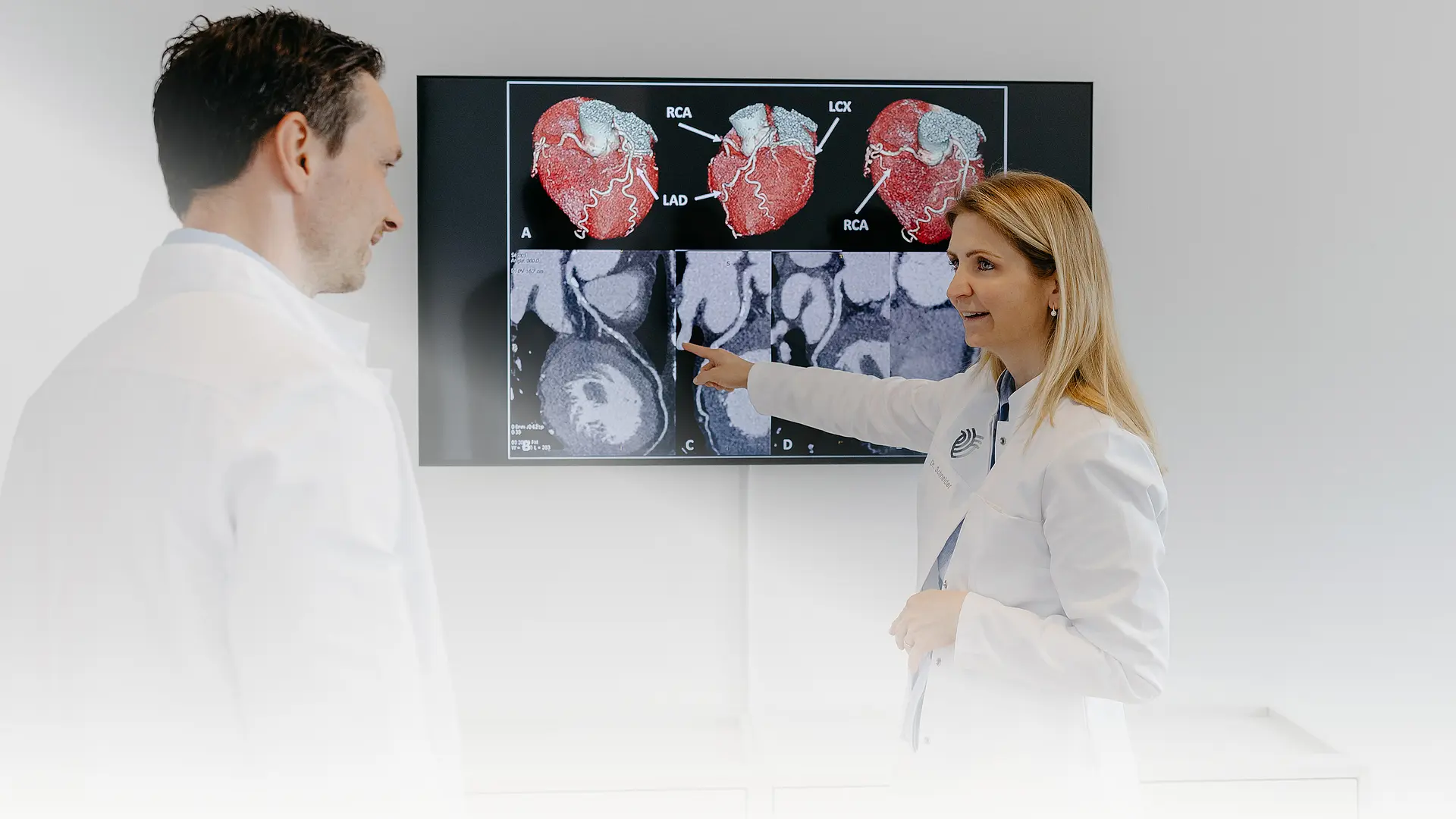
Cardiac CT provides non-invasive imaging of the coronary arteries.
We regularly see patients who, although completely free of symptoms, already show plaques or significant narrowing of the coronary arteries on a preventive cardiac CT. With targeted treatment, their individual risk can be reduced significantly. Conversely, if the findings are normal, medication can often be avoided.
Lifestyle changes are not an optional extra but an integral part of CAD treatment.
Their benefit is well established:
Done properly, these measures enhance the effect of any medication.
Atherosclerosis is a chronic inflammatory vascular disease.
The goal is not only less plaque – but more stable plaque.
LDL cholesterol is a major driver of atherosclerosis.
Studies clearly show:
What counts is not where you start – but the target level you reach.
Related news
We assess CAD systematically and mostly non-invasively. Depending on the situation, we combine cardiac CT with coronary calcium score, stress echocardiography, vascular ultrasound and extended laboratory tests.
No. In many cases, thanks to modern imaging – especially cardiac CT with coronary calcium score – cardiac catheterisation can be avoided.
We only recommend an invasive procedure if it is medically necessary and improves your prognosis.
Yes – treating CAD and providing follow-up care after a heart attack or stent is one of our key areas. We check whether your current treatment is really lowering your risk and fine-tune it to prevent further events.
Treatment is based not on a standard protocol, but on your personal risk profile.
Treatment goals and medication combinations are set individually and adjusted regularly.
Lifestyle changes are an integral part of CAD treatment.
We give targeted advice on exercise, diet, weight, sleep and stress – evidence-based and realistic.
Yes, especially if you are at increased risk.
Many vascular changes cause no symptoms for a long time – an early assessment provides clarity before damage occurs.
 Termin online buchenHier klicken zum Öffnen
Anrufen089 2000 51470