Heart ultrasound in Munich

Precise assessment of your heart function

Heart ultrasound (echocardiography) is one of the most important examinations in modern cardiology. 

It allows a precise assessment of the structure and function of the heart – painless, radiation-free and right here in our practice.

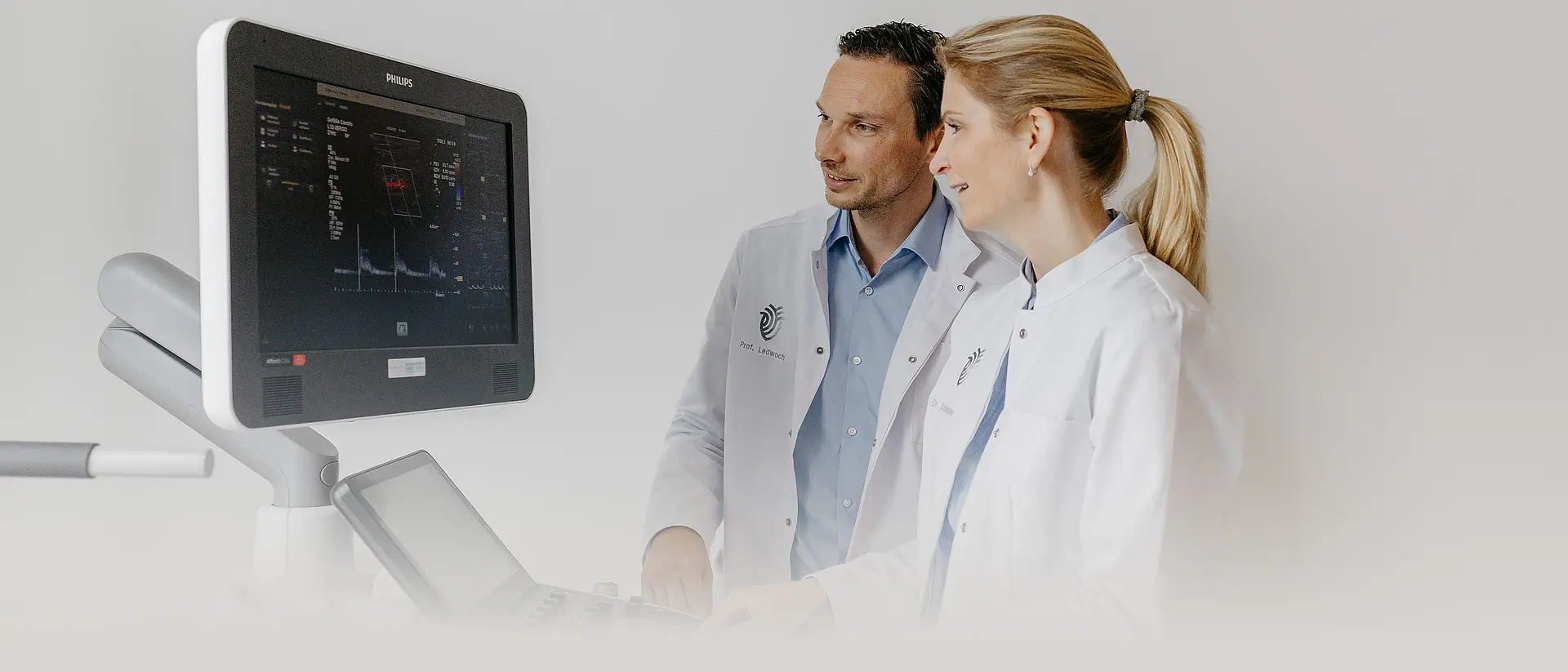
At the Cardiology Centre Munich-Pasing, we use state-of-the-art ultrasound equipment. 

Combined with many years of experience in cardiac ultrasound, this allows us to detect heart disease early and assess risk more accurately.

What is a heart ultrasound?

A heart ultrasound – medically known as echocardiography – is an ultrasound examination of the heart. High-resolution imaging shows the heart muscle, heart valves and blood flow in real time.

The scan allows us to assess:

  • heart size and structure
  • the pumping function of the heart
  • heart valve function
  • thickening of the heart muscle
  • dilatation of the aorta
  • signs of heart failure
  • consequences of high blood pressure

A heart ultrasound provides important information that an ECG alone cannot show.
 

Book an appointment now.

When should a heart ultrasound be performed?

A heart ultrasound is useful when symptoms occur – but also as part of a check-up, to detect changes in the heart early, before any symptoms appear.

Typical reasons for a heart ultrasound are:

  • shortness of breath or reduced exercise capacity
  • palpitations or a racing heart
  • chest pain or a feeling of pressure
  • changes in the ECG
  • increased cardiovascular risk, for example with elevated cholesterol or a family history
  • prevention and heart check-ups

Book an appointment now.

Can a heart ultrasound also be performed under stress?

Like the exercise ECG, a heart ultrasound can also be performed during physical exertion. This allows us to detect changes in heart function that are not always visible at rest.

A stress ultrasound of the heart (stress echocardiography) is useful in the following situations:

  • Suspected reduced blood flow to the heart
    To examine blood flow to the heart muscle in more detail.
  • Assessment of heart function under stress
    When the heart’s pumping and relaxation function under physical stress needs to be assessed more precisely.
  • Further assessment of certain heart valve diseases
    In selected valve conditions, the test provides valuable additional information.

Book an appointment now.

We are here for you

Cardiology expertise in Munich

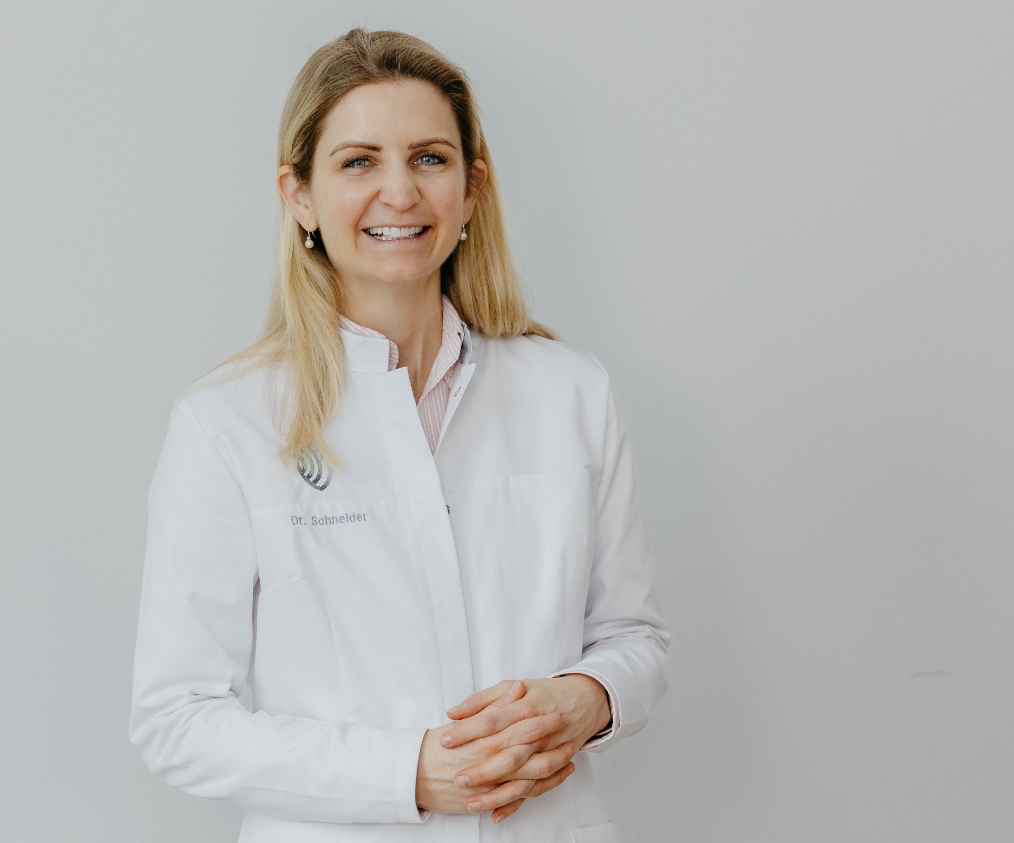
Dr. Vera Schneider

Dr. Vera Schneider

Fachärztin für Innere Medizin
und Kardiologie

Mein Ziel ist, dass Sie sich medizinisch bestens betreut und persönlich gut aufgehoben fühlen - mit einem freundlichen Team, einer angenehmen Praxisatmosphäre und dem Gefühl, dass Ihr Anliegen ernst genommen wird.

Zum Profil
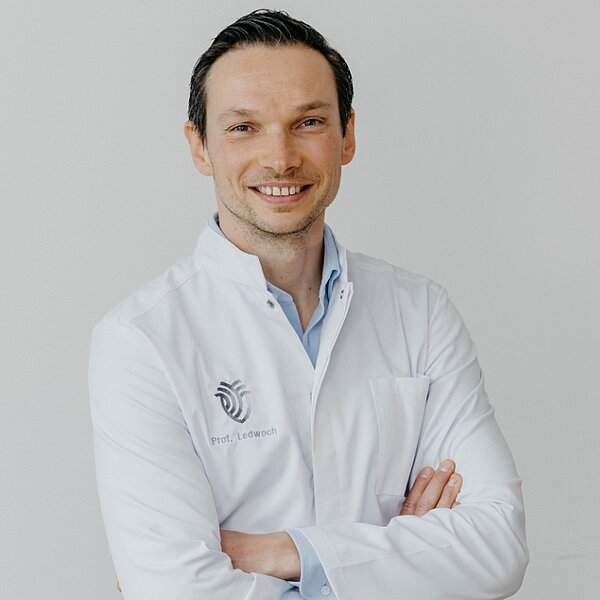
Prof. Dr. Jakob Ledwoch

Prof. Dr. Jakob Ledwoch

Facharzt für Innere Medizin
und Kardiologie

Moderne Medizin bedeutet für mich nicht nur, technisch auf dem neuesten Stand zu sein. Dazu gehört auch, mir Zeit zu nehmen, zuzuhören, alles verständlich zu erklären und gemeinsam die richtigen Entscheidungen für Ihre Gesundheit zu treffen.

Zum Profil

Quality you can trust.

Recognised certifications and partnerships with leading medical institutions reflect our commitment to the highest standards.


Technische Universität München
Universität Zürich
Deutsche Gesellschaft für Kardiologie e. V.
Bundesverband Niedergelassener Kardiologen
Ludwig-Maximilians-Universität München
Deutsche Herzstiftung
European Society of Cardiology

Frequently asked questions about heart ultrasound at the Cardiology Centre Munich-Pasing

Heart ultrasound is one of the most important tests in cardiology because it reveals many structural and functional changes early. The results help to interpret symptoms and plan the best next steps.

Echocardiography can detect or rule out heart valve disease, heart failure, heart muscle disease, damage after a heart attack, fluid around the heart and certain congenital heart defects, among others.

No. The examination is not painful and involves no radiation.

No, that is not necessary.

Usually about 10–15 minutes.