
Mein Ziel ist, dass Sie sich medizinisch bestens betreut und persönlich gut aufgehoben fühlen - mit einem freundlichen Team, einer angenehmen Praxisatmosphäre und dem Gefühl, dass Ihr Anliegen ernst genommen wird.

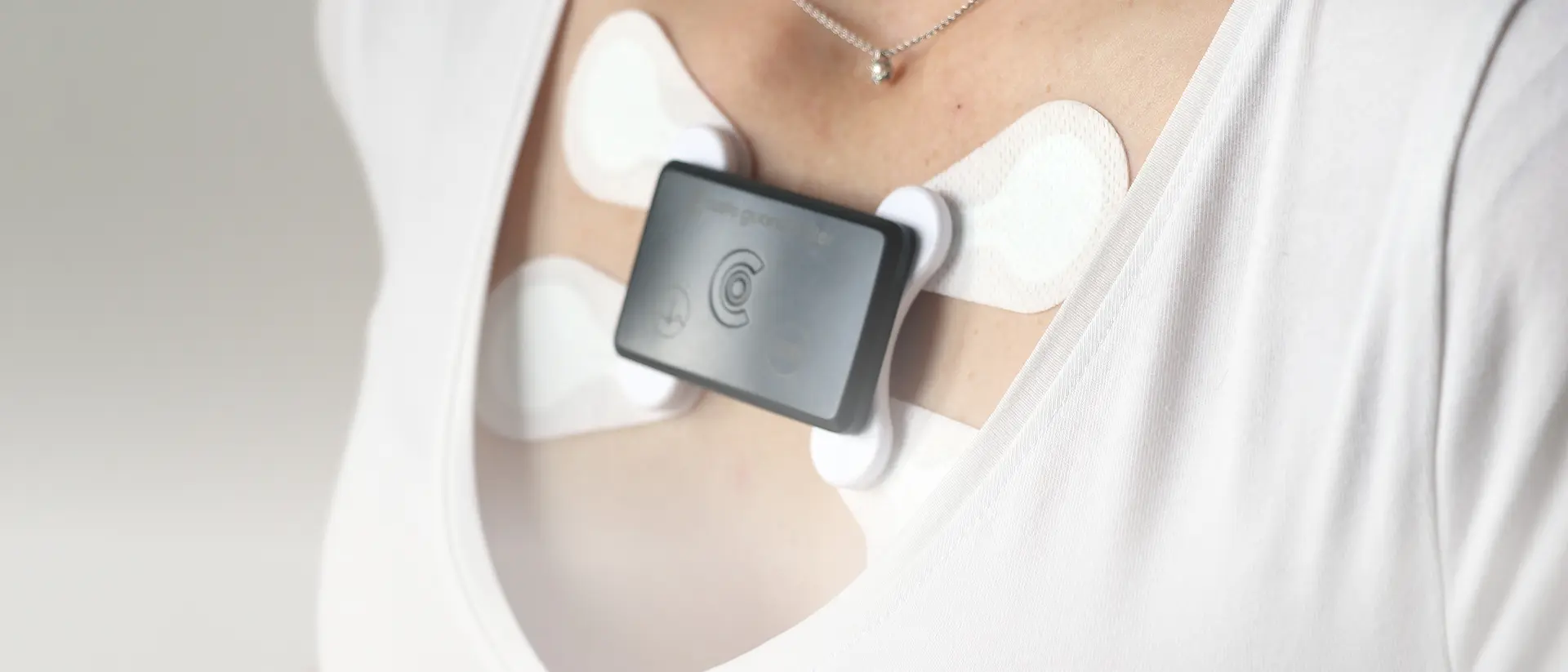
At the Cardiology Centre Munich-Pasing, we use modern long-term ECG systems – over several days if needed. We also use AI-assisted analysis to further improve diagnostic accuracy.
For us, modern cardiac diagnostics means recording for long enough, and precisely enough, to reliably detect abnormalities. This greatly increases the detection rate of possible arrhythmias.
Typical reasons for the test:
A normal ECG at the practice does not reliably rule out relevant arrhythmias.
Monitoring known arrhythmias
A long-term ECG can also be used to track progress or assess the effect of treatment.
Typical reasons for the test:
A normal ECG at the practice does not reliably rule out relevant arrhythmias.
Monitoring known arrhythmias
A long-term ECG can also be used to track progress or assess the effect of treatment.
We are here for you
Mein Ziel ist, dass Sie sich medizinisch bestens betreut und persönlich gut aufgehoben fühlen - mit einem freundlichen Team, einer angenehmen Praxisatmosphäre und dem Gefühl, dass Ihr Anliegen ernst genommen wird.
Moderne Medizin bedeutet für mich nicht nur, technisch auf dem neuesten Stand zu sein. Dazu gehört auch, mir Zeit zu nehmen, zuzuhören, alles verständlich zu erklären und gemeinsam die richtigen Entscheidungen für Ihre Gesundheit zu treffen.
Recognised certifications and partnerships with leading medical institutions reflect our commitment to the highest standards.



Related news
A long-term ECG is often used for palpitations, a racing heart, dizziness, fainting or unclear symptoms. It can detect atrial fibrillation, extra beats, a fast heart rate, pauses in the heart rhythm or an unusually slow pulse.
Very comfortable – we use small, light, wireless devices that are barely noticeable. Most patients go about their normal routine during the recording without any real restrictions.
We tailor the recording to your symptoms – if needed, our devices can record for up to 7 days.
Not always. Some arrhythmias occur only occasionally, so a longer recording can be helpful.
Yes. That is exactly the point – including work and sport.
 Termin online buchenHier klicken zum Öffnen
Anrufen089 2000 51470