

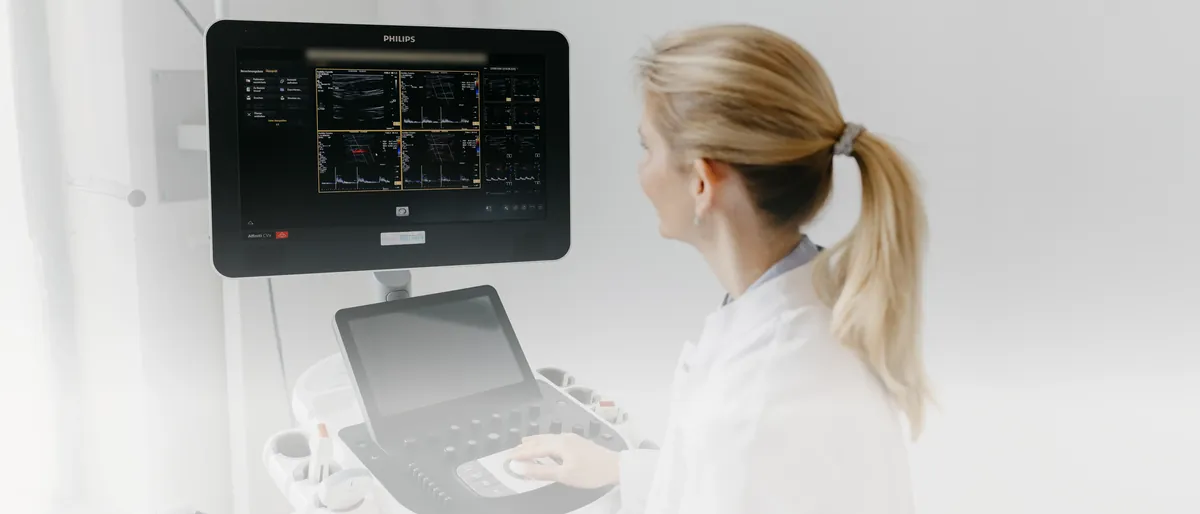
Detecting arterial plaque early: already common in young adults
From the research · 5 October 2026
A new study examined almost 17,000 adults without symptoms using ultrasound and computed tomography (CT) of the heart. 57% already had plaque in their arteries, including younger participants:
- Age 18 to 29: 8.7% of men and 6.7% of women
- Age 30 to 39: 34.6% of men and 21.3% of women
- Of 100 people over 40 with plaque, the standard risk calculator classified fewer than 2 as high risk.

Have your smartwatch ECG reviewed digitally
New at our practice · 15 September 2026
Send ECGs from your smartwatch securely to our practice via our app. Within 24 hours you will receive a cardiologist’s assessment, without having to come in for every recording. Suitable for:
- Palpitations or a racing heart
- Possible atrial fibrillation
- Follow-up after ablation or cardioversion

Our podcast: “Rethinking heart health”
Press and media · 14 July 2026
In the Süddeutsche Zeitung podcast, we explain why modern cardiology begins long before the first symptoms and how prevention can help stop heart attacks and strokes. We also discuss why women’s hearts deserve particular attention.
Read more · Listen to the podcast (German) · Read the article (German) · More on women’s cardiology
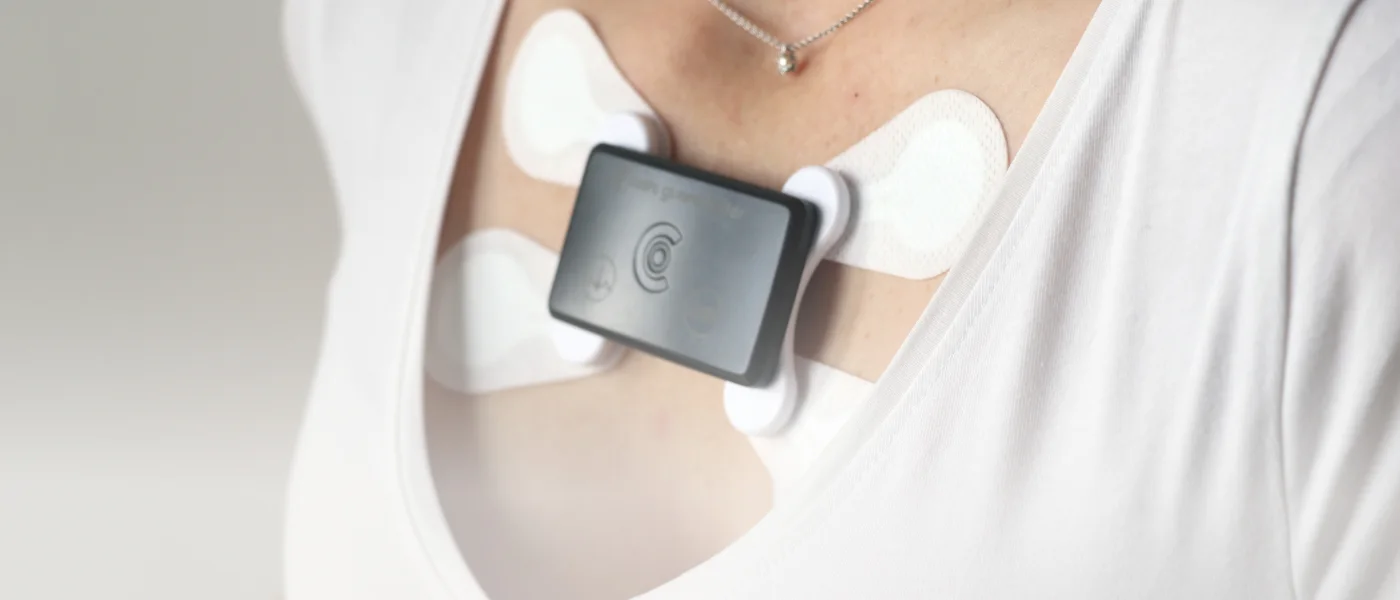
Long-term ECG: wireless and up to 10 days
New at our practice · 12 May 2026
Our long-term ECG is a small, lightweight device worn directly on the chest, with no cables. The longer the recording, the more likely it is to pick up rare arrhythmias.
- Comfortable to wear, no cables
- Records for up to 10 days
- In one study, a 7-day ECG detected atrial fibrillation more than twice as often as a 24-hour ECG
