
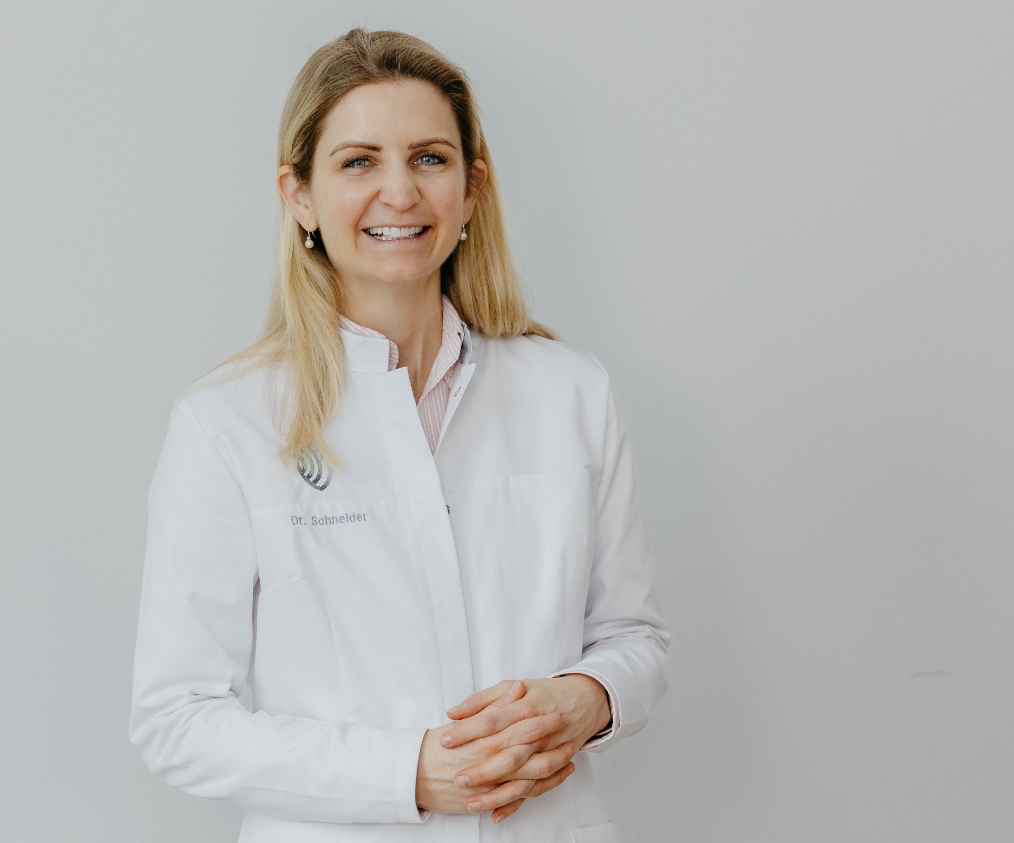
Mein Ziel ist, dass Sie sich medizinisch bestens betreut und persönlich gut aufgehoben fühlen - mit einem freundlichen Team, einer angenehmen Praxisatmosphäre und dem Gefühl, dass Ihr Anliegen ernst genommen wird.

Depending on the clinical question, two types of scan are available:
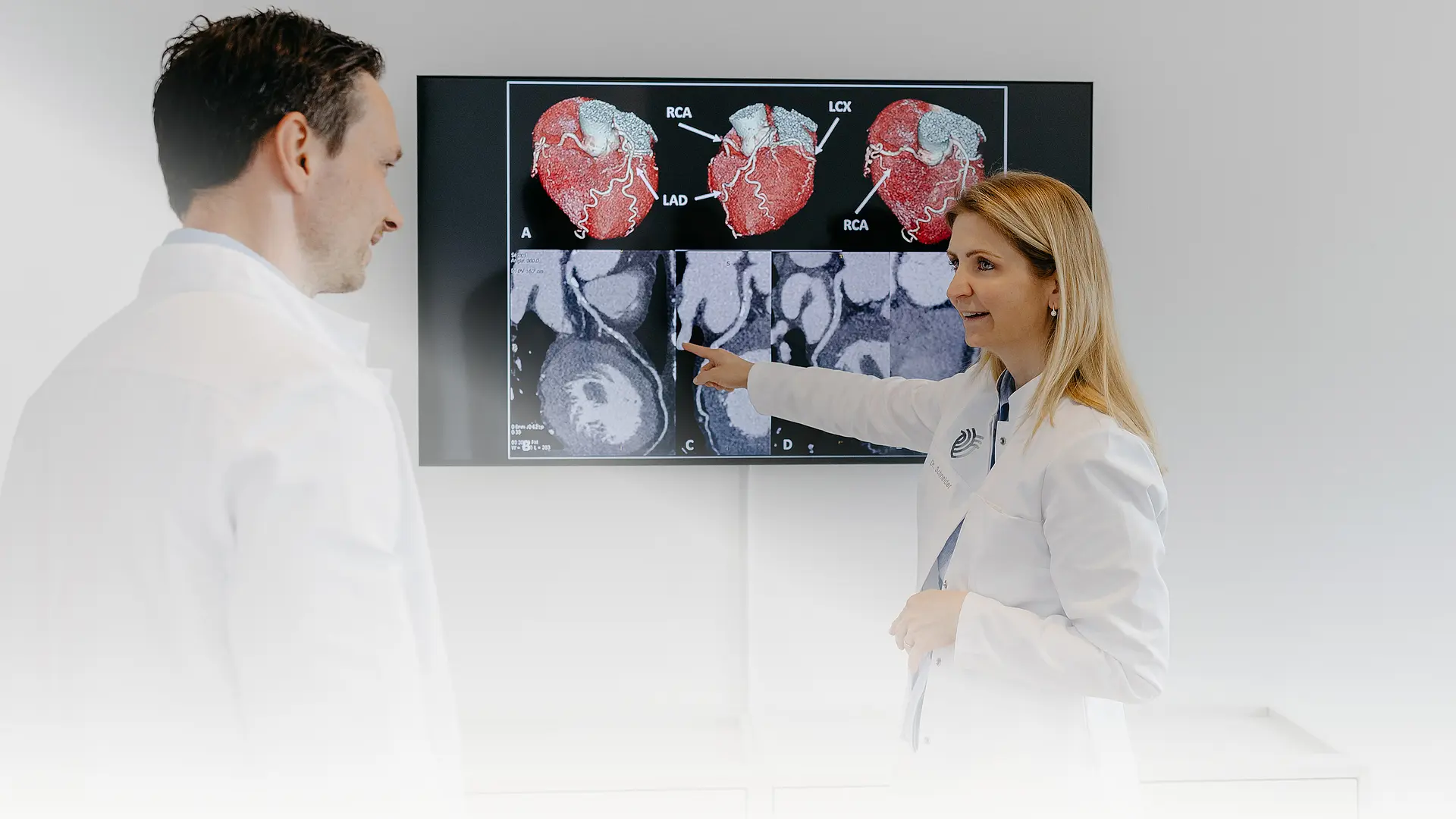
CT coronary angiography
Here, a contrast agent is used to show the coronary arteries in detail. This reveals narrowings, plaques and other changes.
We will be happy to advise you on which option is right for you.
A cardiac CT can be particularly useful for:
We are here for you
Mein Ziel ist, dass Sie sich medizinisch bestens betreut und persönlich gut aufgehoben fühlen - mit einem freundlichen Team, einer angenehmen Praxisatmosphäre und dem Gefühl, dass Ihr Anliegen ernst genommen wird.
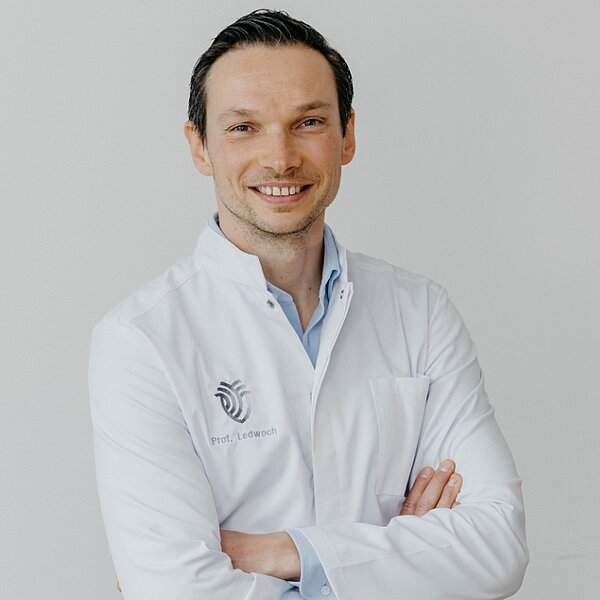
Moderne Medizin bedeutet für mich nicht nur, technisch auf dem neuesten Stand zu sein. Dazu gehört auch, mir Zeit zu nehmen, zuzuhören, alles verständlich zu erklären und gemeinsam die richtigen Entscheidungen für Ihre Gesundheit zu treffen.
Recognised certifications and partnerships with leading medical institutions reflect our commitment to the highest standards.




Related news
The whole examination takes only a few minutes. You lie comfortably on the scanner table; depending on the question, a contrast agent is given. The scan itself takes just a few seconds – and is completely painless.
The examination can be particularly useful for people with high blood pressure, elevated cholesterol, a family history, elevated lipoprotein(a) or several cardiovascular risk factors.
The examination itself does not prevent a heart attack. However, it helps identify risks early so that preventive measures can be targeted more precisely.
The calcium score measures calcium deposits in the coronary arteries and is mainly used for risk assessment. CT coronary angiography uses a contrast agent to show the coronary arteries in detail, including any narrowings and plaques.
In preventive medicine in particular, it is often used to assess risk before symptoms appear. The results help us to lower your individual risk of heart attack.
 Termin online buchenHier klicken zum Öffnen
Anrufen089 2000 51470