Successful weight loss

with weight-loss injections 

Losing weight – fast, safe and sustainable.

Modern medications such as weight-loss injections now make impressive results possible. 

Medical supervision is essential for weight loss to be safe and lasting. After all, the impressive results seen in the weight-loss injection studies were achieved under medical supervision – not through unsupervised use.

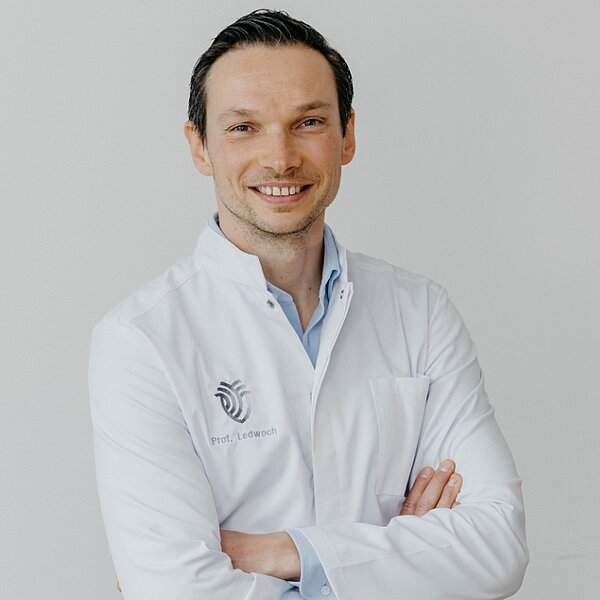
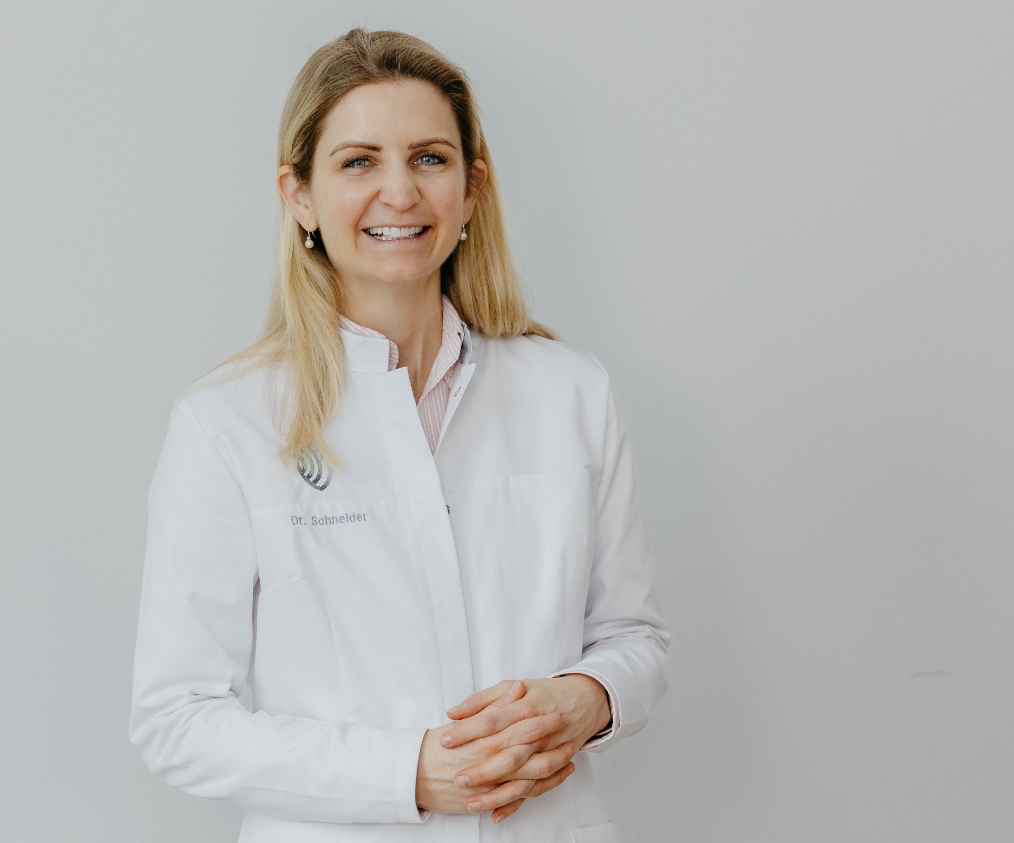
We focus not on quick wins but on sustainable weight loss without the yo-yo effect – under the personal supervision of our experts Dr. med. Vera Schneider and Prof. Dr. med. Jakob Ledwoch.

Book an appointment now.

Lose weight – successfully, at last

Many people know this from their own experience or from friends and family: despite great effort and countless diets, the weight simply won’t come off.

Modern weight-loss injections – what are they and how do they work?

  • Weight-loss injections mimic the gut hormone GLP-1 (tirzepatide also mimics GIP)
  • This increases the feeling of fullness and reduces calorie intake
  • The first effects are noticeable after a few days to a few weeks; the greatest weight reduction occurs after 6–12 months
  • In studies, semaglutide and the newer tirzepatide reduced body weight by an average of around 15–20%.

Book an appointment online now


More than weight loss: keeping the weight off for good.

More than half of patients regain a considerable amount of weight after stopping the injection. That is why a broader approach is needed.

For lasting success, it is crucial that 

  • body fat is reduced 
  • muscle mass is maintained at the same time 
  • We achieve this with a tailored diet and exercise programme.

Losing muscle lowers your basal metabolic rate and reduces physical fitness – the main drivers of the yo-yo effect. Throughout treatment, we regularly measure muscle mass and body fat in our practice using InBody bioimpedance analysis.
 

Book an appointment


Why should a weight-loss programme be supervised by doctors?

Without expert supervision, treatment can carry risks and may not lead to lasting success.

At our centre, we provide comprehensive care. This includes:

  • an initial check-up, as excess weight leads to a number of cardiovascular diseases – and if these are present, they must be detected.
  • correct dosing and carefully controlled dose increases to achieve the best balance of effectiveness and tolerability.
  • an additional focus on lifestyle measures to help you maintain your new weight in the long term
     

Book an appointment online now

We are here for you

Cardiology expertise in Munich

Dr. Vera Schneider

Dr. Vera Schneider

Fachärztin für Innere Medizin
und Kardiologie

Mein Ziel ist, dass Sie sich medizinisch bestens betreut und persönlich gut aufgehoben fühlen - mit einem freundlichen Team, einer angenehmen Praxisatmosphäre und dem Gefühl, dass Ihr Anliegen ernst genommen wird.

Zum Profil
Prof. Dr. Jakob Ledwoch

Prof. Dr. Jakob Ledwoch

Facharzt für Innere Medizin
und Kardiologie

Moderne Medizin bedeutet für mich nicht nur, technisch auf dem neuesten Stand zu sein. Dazu gehört auch, mir Zeit zu nehmen, zuzuhören, alles verständlich zu erklären und gemeinsam die richtigen Entscheidungen für Ihre Gesundheit zu treffen.

Zum Profil

Quality you can trust.

Recognised certifications and partnerships with leading medical institutions reflect our commitment to the highest standards.


Technische Universität München
Universität Zürich
Deutsche Gesellschaft für Kardiologie e. V.
Bundesverband Niedergelassener Kardiologen
Ludwig-Maximilians-Universität München
Deutsche Herzstiftung
European Society of Cardiology

Our weight-loss programme – far more than a prescription

They play a vital role – especially in preserving muscle – and are one of the keys to lasting success.

In particular:

  • Sufficient protein intake of about 1.2–1.6 g per kilogram of body weight per day can help to maintain muscle mass during weight loss. 
  • On a vegetarian – and especially a vegan – diet, you often need to eat more protein-rich foods to obtain the same amount of usable protein and essential amino acids.
  • In addition, regular strength training (ideally 2–3 sessions per week) reduces the loss of muscle mass and promotes fat loss. 
  • Calorie-dense foods (such as sweets) and ultra-processed foods should also be avoided. Instead, we recommend fibre-rich foods and regular, mindful (slower) eating.
     

Excess weight contributes to a whole range of cardiovascular diseases – and around a third of those affected are unaware of it.

  • Up to 70% of people with obesity suffer from high blood pressure.
  • About 30–50% have impaired glucose metabolism or diabetes.
  • Sleep apnoea goes undetected in up to 80% of cases and can promote high blood pressure, arrhythmias and daytime sleepiness.
  • Even a weight loss of 5–10% can significantly reduce blood pressure, blood sugar and thus cardiovascular risk.

“Weight-loss injections are setting new standards – but the right medical support is crucial for long-term success.”

Prof. Dr. Jakob Ledwoch

Frequently asked questions about weight-loss injections at the Cardiology Centre Munich-Pasing

Obesity is often a chronic condition. After stopping, many patients regain weight unless diet and exercise habits change for good. The goal is therefore not just weight loss, but long-term stability through personal medical support and sustainable lifestyle changes.

They are generally considered for:

  • BMI ≥ 30 kg/m², or
  • BMI ≥ 27 kg/m² with related conditions such as high blood pressure, diabetes, lipid disorders or heart disease.

Whether treatment is appropriate and safe should always be assessed individually by a doctor.

The most common side effects affect the gastrointestinal tract and are usually temporary:

  • nausea
  • feeling of fullness
  • constipation or diarrhoea
  • occasional vomiting

Increasing the dose gradually can often reduce these symptoms considerably.

The best results come from combining treatment with a high-protein, high-fibre diet, regular exercise and lasting lifestyle changes. Studies show that patients with comprehensive medical support lose weight far more successfully – and sustainably – than with the injection alone.

The first results are often seen after just 2–4 weeks. In the first few months, many patients lose about 0.5–1 kg per week.