


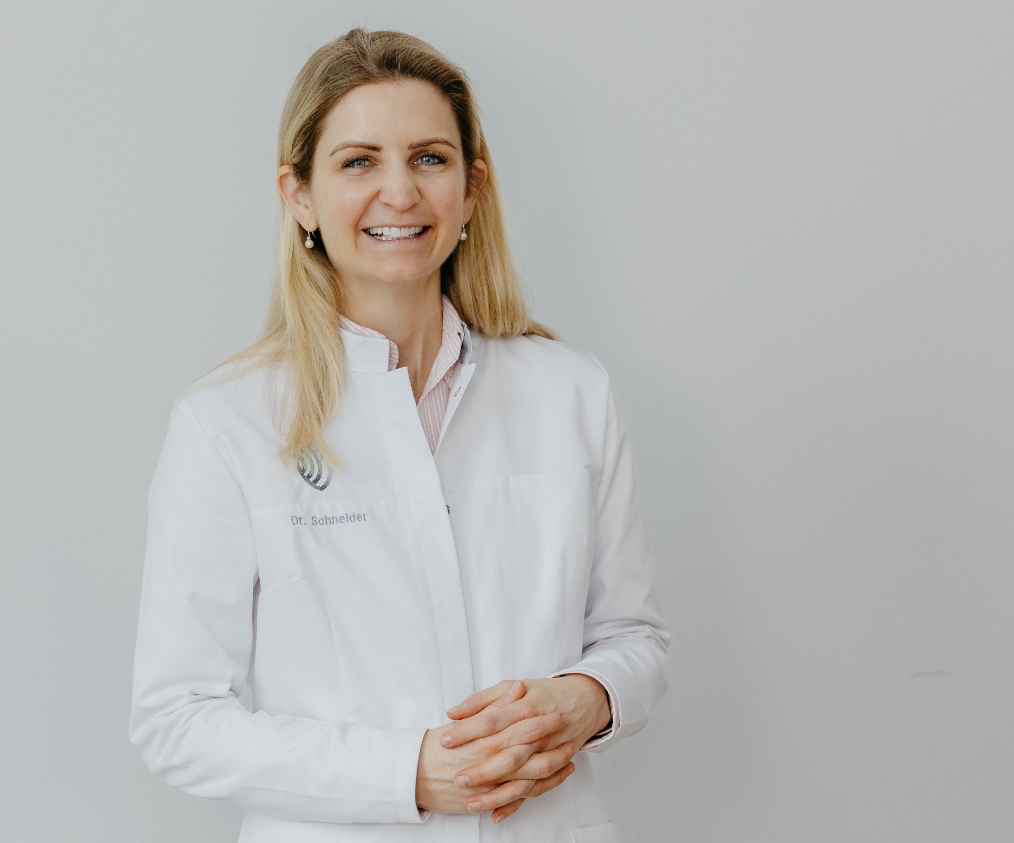
Mein Ziel ist, dass Sie sich medizinisch bestens betreut und persönlich gut aufgehoben fühlen - mit einem freundlichen Team, einer angenehmen Praxisatmosphäre und dem Gefühl, dass Ihr Anliegen ernst genommen wird.

More than 80% of all cardiovascular events can be traced back to known risk factors – above all high blood pressure, raised blood lipids, smoking, diabetes and lack of exercise.
A structured heart check-up shows how high your risk really is – and whether action is needed.
Because these changes cause no symptoms for a long time, cardiac prevention is essential.
Book a heart check-up now for an individual risk assessment.
The check-up combines several coordinated tests:
Book a heart check-up now for an individual risk assessment.
We are here for you
Mein Ziel ist, dass Sie sich medizinisch bestens betreut und persönlich gut aufgehoben fühlen - mit einem freundlichen Team, einer angenehmen Praxisatmosphäre und dem Gefühl, dass Ihr Anliegen ernst genommen wird.
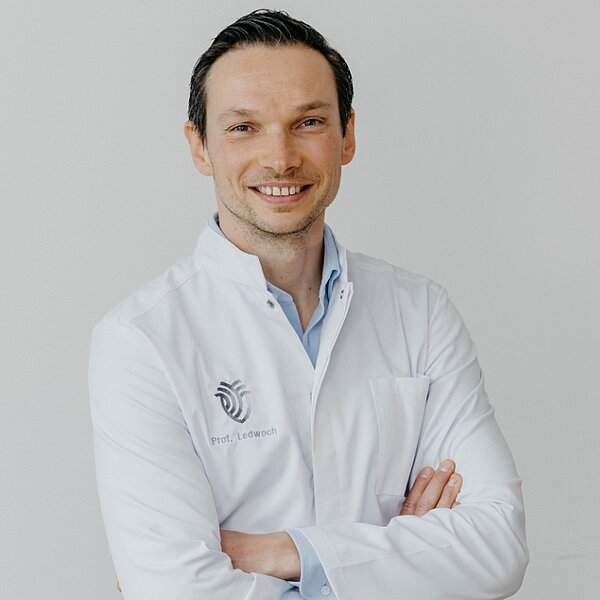
Moderne Medizin bedeutet für mich nicht nur, technisch auf dem neuesten Stand zu sein. Dazu gehört auch, mir Zeit zu nehmen, zuzuhören, alles verständlich zu erklären und gemeinsam die richtigen Entscheidungen für Ihre Gesundheit zu treffen.
Recognised certifications and partnerships with leading medical institutions reflect our commitment to the highest standards.







If relevant risk factors are found, they can usually be treated early, individually and step by step. Not every finding means medication or procedures straight away.
High blood pressure often causes no symptoms, but increases cardiovascular risk in the long term.
We usually start with a lifestyle plan: less salt, weight loss, regular exercise and stress reduction. If this is not enough, we use blood pressure medication, such as:
Vascular changes usually develop gradually and cause no symptoms for a long time.
If vascular changes are found, the next steps depend on their extent, your overall risk and your personal situation.
Not every change requires medication straight away. In more advanced cases, however, medication to lower blood pressure or cholesterol can be helpful. Chronic low-grade inflammation also plays an important role. It can often be reduced by exercise, weight loss and a Mediterranean diet.
Elevated cholesterol levels are often only discovered during a check-up.
Depending on your overall risk, lifestyle changes may be enough; in other cases, modern, well-tolerated medication is the better choice. The right strategy can only be decided after a structured assessment.
Studies show that consistently lowering LDL reduces the risk of heart attack by 20–30% – regardless of the starting level.
Cardiac arrhythmias are common and range from harmless extra beats to rhythm disturbances that require treatment.
Many go unnoticed for a long time or cause only vague symptoms. Whether treatment is needed – and if so, which – depends on the type of arrhythmia, your individual risk and your symptoms. Certain forms, such as atrial fibrillation, can cause strokes if left untreated.
Related news
Depending on the scope, it takes around 60 to 90 minutes.
A heart check-up is worthwhile for almost everyone, as cardiovascular disease is very common and usually goes unnoticed in the early stages. It is particularly important if heart disease runs in your family or you have high blood pressure, unfavourable blood lipids, excess weight or diabetes. We also recommend it from the age of 40 and for anyone who wants to check they are fit for sport.
We recommend every 2–3 years – more often from the age of 40 or if risk factors are present.
Yes – precisely because many cardiovascular diseases develop unnoticed over years and only cause symptoms late. High blood pressure, elevated cholesterol or early vascular changes can often be detected long before a heart attack or stroke. A structured check-up identifies risks early, so targeted action can be taken before lasting damage occurs.
Private health insurers usually reimburse the cost in full; self-paying patients receive a transparent invoice under the German medical fee schedule (GOÄ). We are happy to give you a detailed cost overview at the practice.
 Termin online buchenHier klicken zum Öffnen
Anrufen089 2000 51470