
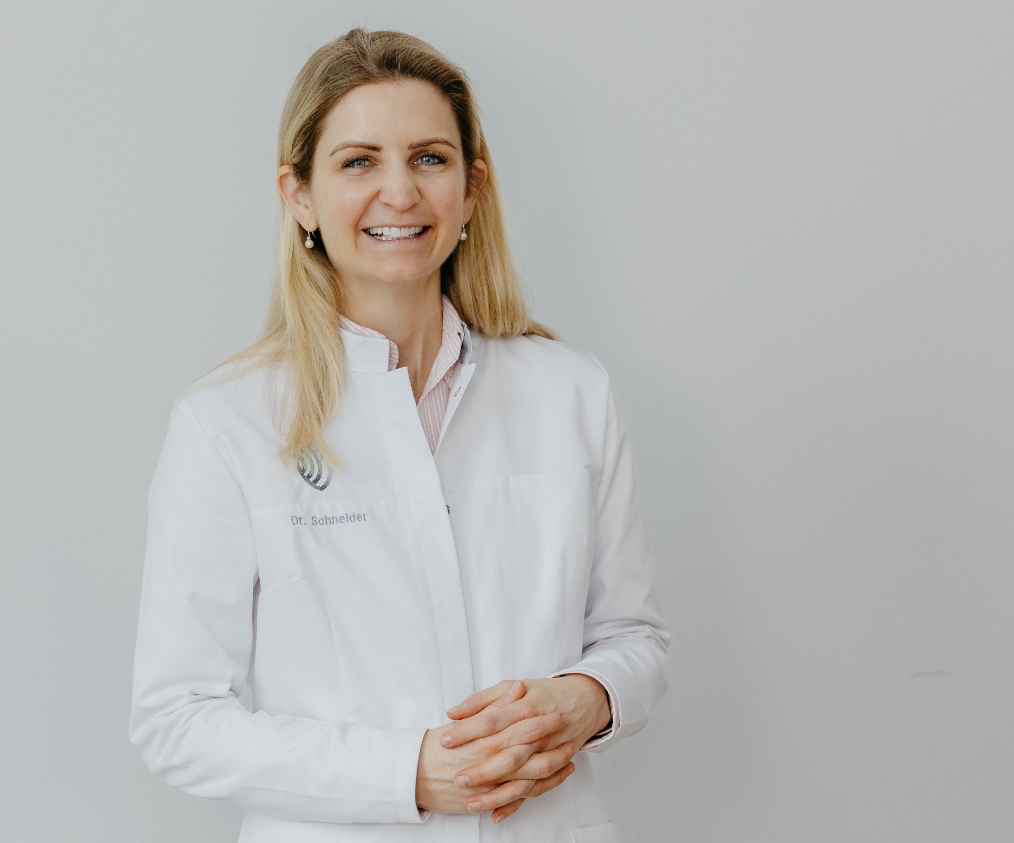
Mein Ziel ist, dass Sie sich medizinisch bestens betreut und persönlich gut aufgehoben fühlen - mit einem freundlichen Team, einer angenehmen Praxisatmosphäre und dem Gefühl, dass Ihr Anliegen ernst genommen wird.

Many people with sleep apnoea feel tired or less productive during the day. Left untreated, it can also put long-term strain on the heart and blood vessels.
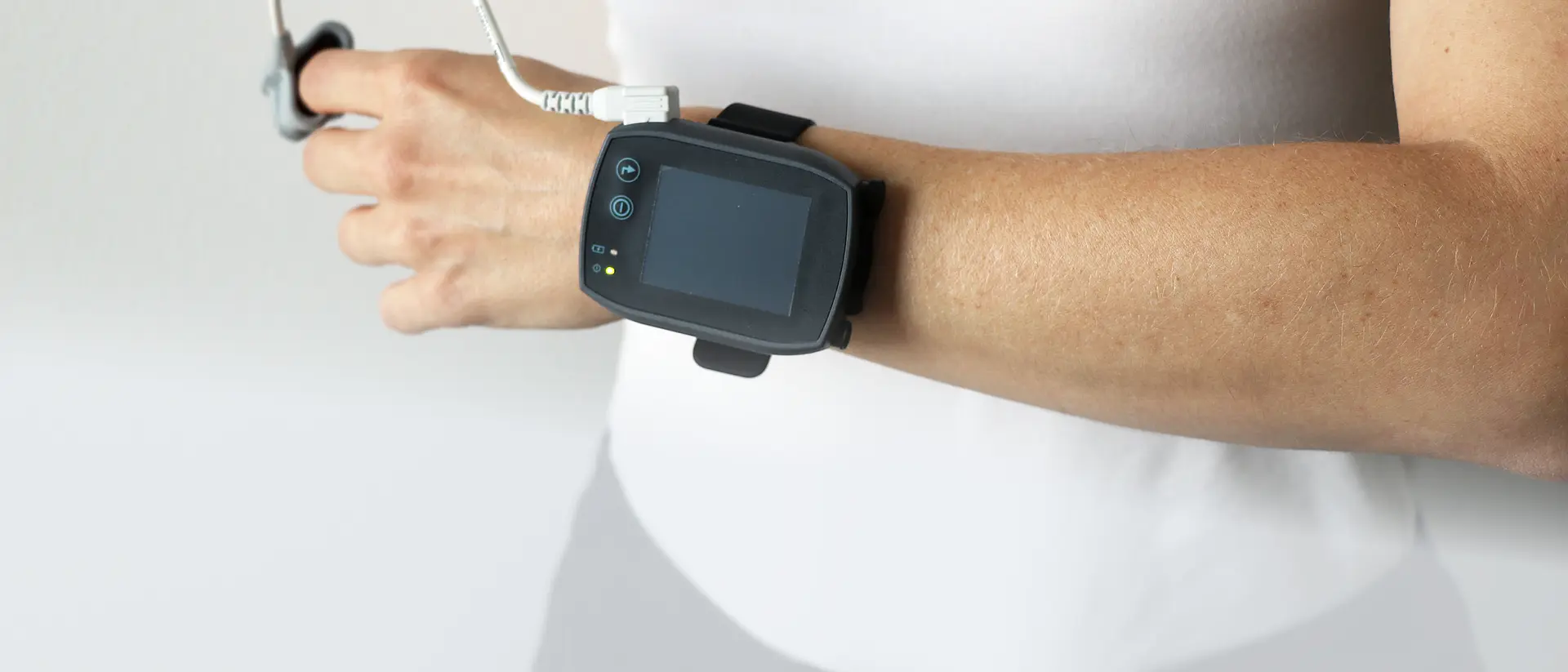
At the Cardiology Centre Munich-Pasing, we offer modern sleep apnoea screening – both for individual risk assessment and as an integral part of cardiovascular prevention.
We are here for you
Mein Ziel ist, dass Sie sich medizinisch bestens betreut und persönlich gut aufgehoben fühlen - mit einem freundlichen Team, einer angenehmen Praxisatmosphäre und dem Gefühl, dass Ihr Anliegen ernst genommen wird.
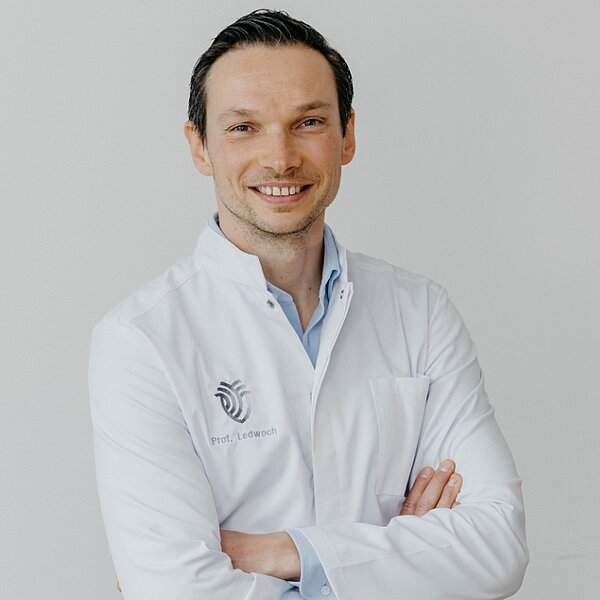
Moderne Medizin bedeutet für mich nicht nur, technisch auf dem neuesten Stand zu sein. Dazu gehört auch, mir Zeit zu nehmen, zuzuhören, alles verständlich zu erklären und gemeinsam die richtigen Entscheidungen für Ihre Gesundheit zu treffen.
Recognised certifications and partnerships with leading medical institutions reflect our commitment to the highest standards.





In sleep apnoea, breathing repeatedly stops or becomes very shallow during sleep – usually without the person noticing. Common signs are loud snoring, daytime sleepiness, difficulty concentrating or morning headaches. Left untreated, sleep apnoea can increase the risk of high blood pressure, arrhythmias and heart attack.
Loud snoring can indicate pauses in breathing at night (sleep apnoea), but it is not necessarily a sign of illness. If you also experience daytime sleepiness, difficulty concentrating, morning headaches or restless sleep, we recommend an assessment. A simple screening test shows whether further investigation is needed.
Yes. Many patients are unaware that untreated sleep apnoea is often linked to high blood pressure, atrial fibrillation, heart failure and other heart conditions. If blood pressure is hard to control despite medication, or arrhythmias occur, screening can provide valuable insight.
Yes. Not everyone with sleep apnoea feels very sleepy during the day. Particularly in people with high blood pressure, atrial fibrillation, excess weight or other heart conditions, it can go unnoticed for years. A simple screening helps to identify hidden risk factors early and treat them if necessary.
If the screening points to sleep apnoea, we discuss the results with you in detail and arrange further tests or treatment if needed – for example, a sleep laboratory study.
 Termin online buchenHier klicken zum Öffnen
Anrufen089 2000 51470